Hawaii education news on this page includes public schools, the Department of Education, the University of Hawaiʻi system and campus life as reported by Maui Now, Big Island Now and Kauaʻi Now. Statewide education decisions often affect every island even when a story is first published by a neighbor-island newsroom. HawaiiNow organizes that coverage in one place and links you back to the original article for full details, names and documents.
Hawaii Education News Today
·This topic brief is generated from reporting published by the NOW news network and updated when new stories arrive.
Across the network, education coverage centers on the University of Hawaiʻi and public schools, with a strong emphasis on access, planning, and student opportunity. Several reports focus on UH’s role in statewide issues, including public comment on proposed revisions to the Maunakea master plan and a new conservation framework in which the university played a supporting role. Other UH-related stories highlight practical learning and workforce support, such as a UH Maui College webinar on free AI tools for small businesses and a statewide quality-of-life survey tied to UH research that found residents feeling healthier and more satisfied than two years ago, even as out-migration concerns remain.
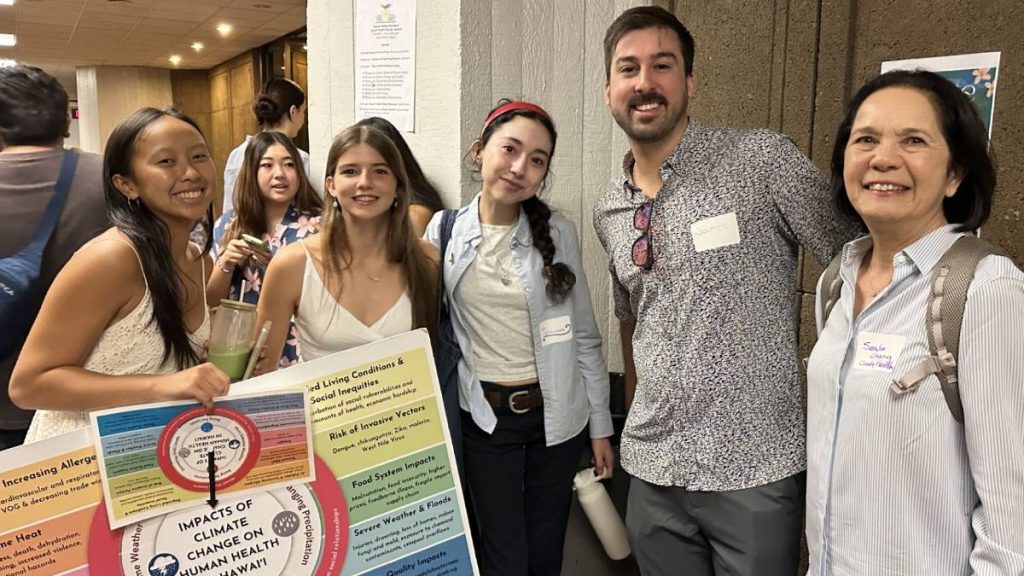
At the K-12 level, Hawaiʻi public schools are showing signs of recovery after the pandemic, with gains in math and attendance reported in the latest Strive HI results. The network also highlights student-facing opportunities and enrichment, including the deadline for public high school students to apply for the 2027 sister-state study tours and a Youth Climate Summit inviting keiki, teens and young adults to the state Capitol. Arts and cultural learning also appear as a theme, from legislation to expand arts education access to Bishop Museum’s educational programs and exhibitions.
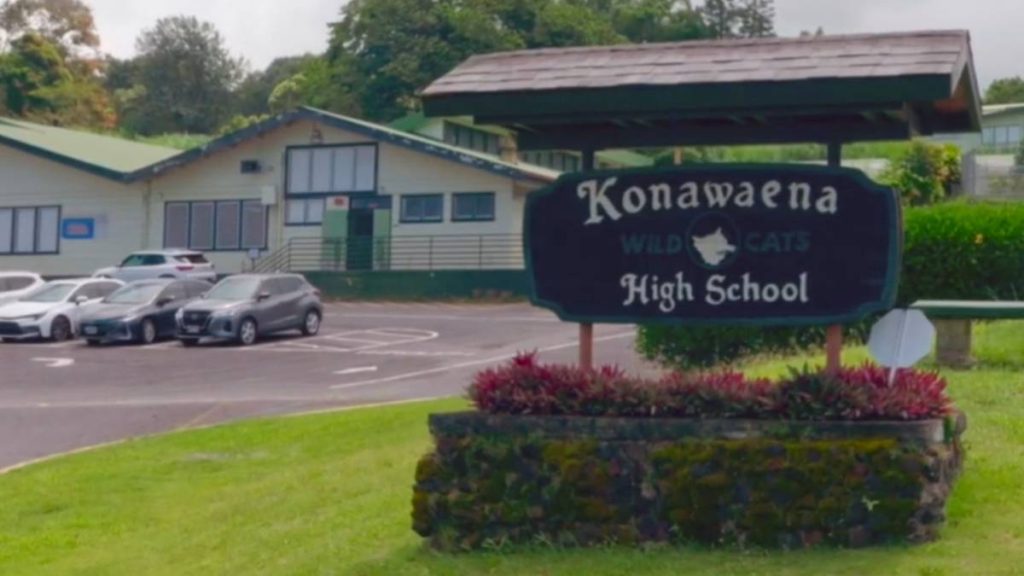
The coverage also reflects the pressures surrounding education and Native Hawaiian institutions. Rep. Tokuda’s criticism of rescinded Pacific Studies and Language funding at UH Mānoa, along with reporting on legal challenges facing Native Hawaiian programs, points to ongoing debates over support for culturally grounded education. On the ground, school safety and community engagement remain part of the picture, as seen in the response to a threatening call at Konawaena High School and local recognition events such as the Maui High School Foundation Hall of Honor banquet.