Across the network, Hawaii politics coverage this week centers on governance, public accountability, and how state and county leaders are responding to pressure points in education, elections, land use, and public services. On the state and federal side,
Rep. Tokuda condemns rescission of Pacific Studies and Language funding at UH Mānoa and
Native Hawaiian programs face growing legal challenges, OHA chair tells senators point to continued political attention on Native Hawaiian and Pacific Islander institutions, with lawmakers and advocates framing funding and legal issues as urgent concerns.
Legislative and civic engagement also remain a strong theme.
Senate Ways and Means chair urges use of dashboard as guide for workforce and economic development highlights a push for data-driven policymaking, while
Kīhei Community Association to host Council candidate forum, Maui County Charter amendment overview and
Kaua‘i delegation to talk legislative priorities, Lowell recovery at upcoming town hall show local communities preparing for public discussion of candidates, charter changes, and legislative priorities.
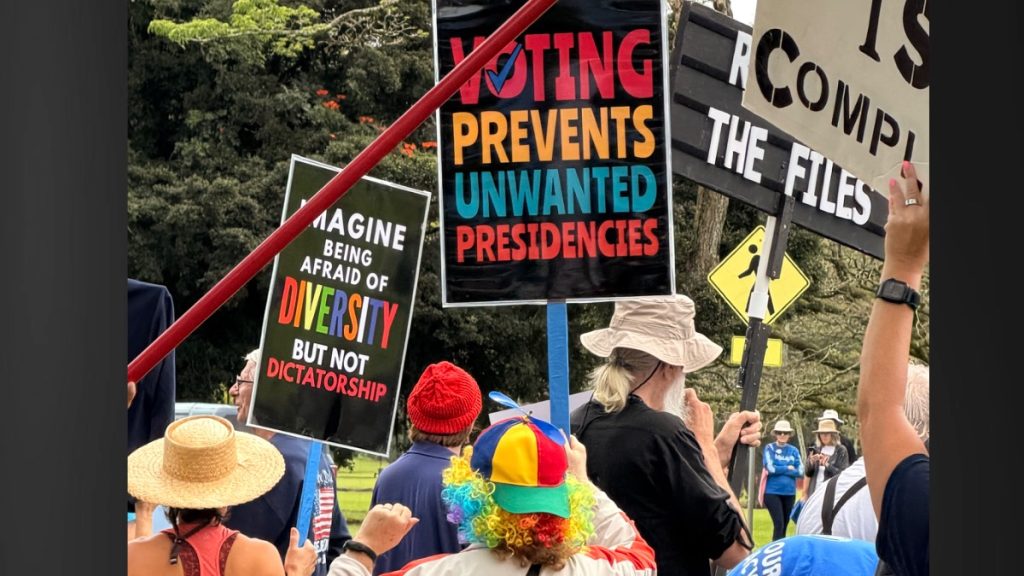
Election-related activism is visible on the Big Island, where
Kona sign-waving calls on community to vote early, defend free elections reflects grassroots organizing around voting access and election integrity. Meanwhile, county-level governance and service delivery are in focus in Kauaʻi, where
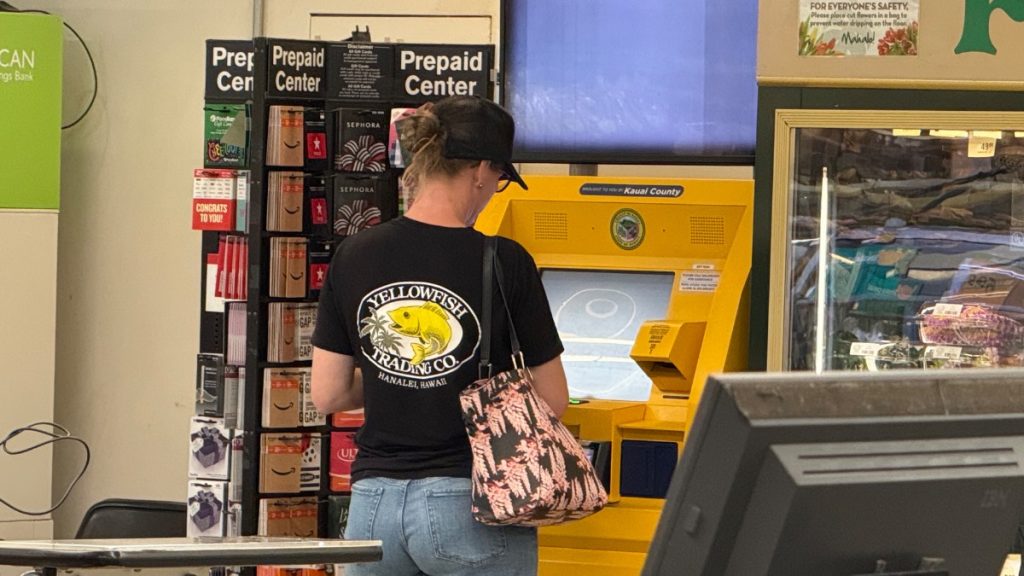
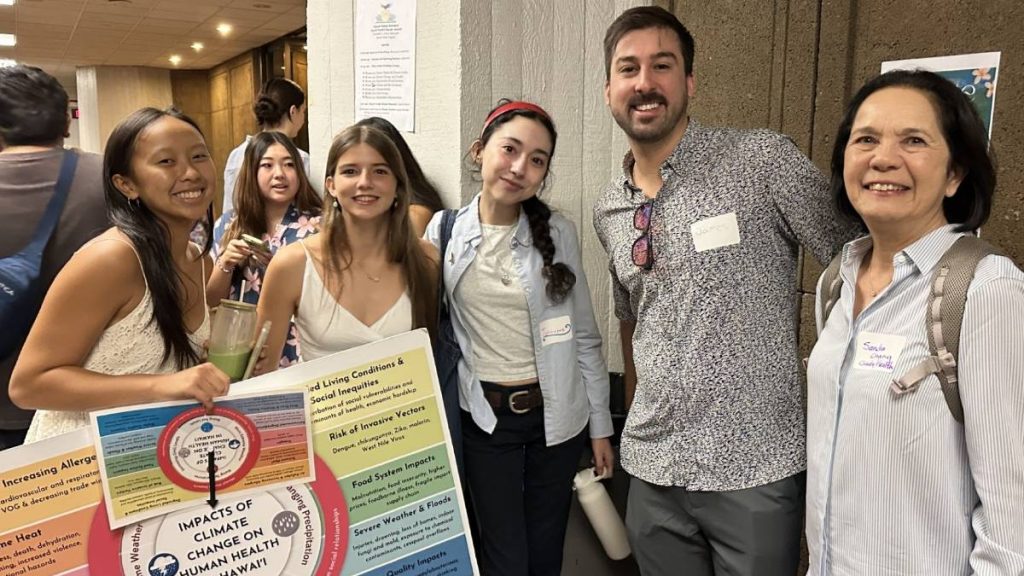
Kauaʻi County to absorb kiosk payment fees after Kāpule Building fire in Līhuʻe shows a practical response to disrupted public access. Other reports, including the Youth Climate Summit coverage and arts education legislation, suggest that younger residents and education advocates are also being drawn into the policy conversation.