Across the HawaiiNow network, housing coverage is centered on a mix of affordability pressures, disaster recovery, and public policy responses. On Maui, reporting shows a market that is still active but not necessarily becoming more accessible: September condo sales rose while single-family sales declined, and an op-ed argues that lower condo prices do not automatically translate into affordable housing for Maui residents. Maui coverage also includes community-oriented efforts, from the Lahaina Community Land Trust’s plan to steward Kainehe to the closure of the county’s COVID-19 homeowner assistance fund after successful completion.
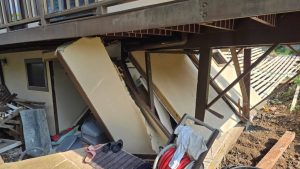
On the Big Island, the focus is on both immediate relief and longer-term housing policy. Residents affected by the May West Hawaiʻi earthquake may qualify for rental assistance, while a new Hawaiian Council program is offering support to households hosting families displaced by recent storms. At the policy level, Hawaiʻi County Council has advanced a bill to extend the Homeless and Housing Fund for two more years. At the same time, one proposed affordable housing project in Waikōloa was halted over infrastructure and evacuation concerns, underscoring how housing development can be slowed by site-specific issues.
Kauaʻi coverage is thinner but still tied to housing stability and community support. A statewide host housing support program is being rolled out to help households sheltering displaced families, and a separate report notes that Pūlama Ola Medical Respite can expand services to Kauaʻi after a donation from
Mark Zuckerberg, Priscilla Chan will advance expansion of medical respite.